

Art-Inspired Skincare vs Mainstream Brands for Sensitive Skin
Last Updated: November 11, 2026
Quick Summary
Art-inspired skincare differs from mainstream brands mainly in branding, not in what happens on your skin, so judge each product on its formula, testing disclosure, and delivery system rather than its packaging. A beautiful bottle with a thin ingredient list is a design object, while a plain bottle with a well-dosed, well-tested formula is skin care.
- Ingredient lists are written in descending order of concentration until the one percent mark.
- Dermatologist tested is not a regulated standard in the United States and can mean anything.
- Ask brands how many subjects were tested, how long, and what was measured.
- Compare cost per ounce, not cost per jar, to judge price fairly.
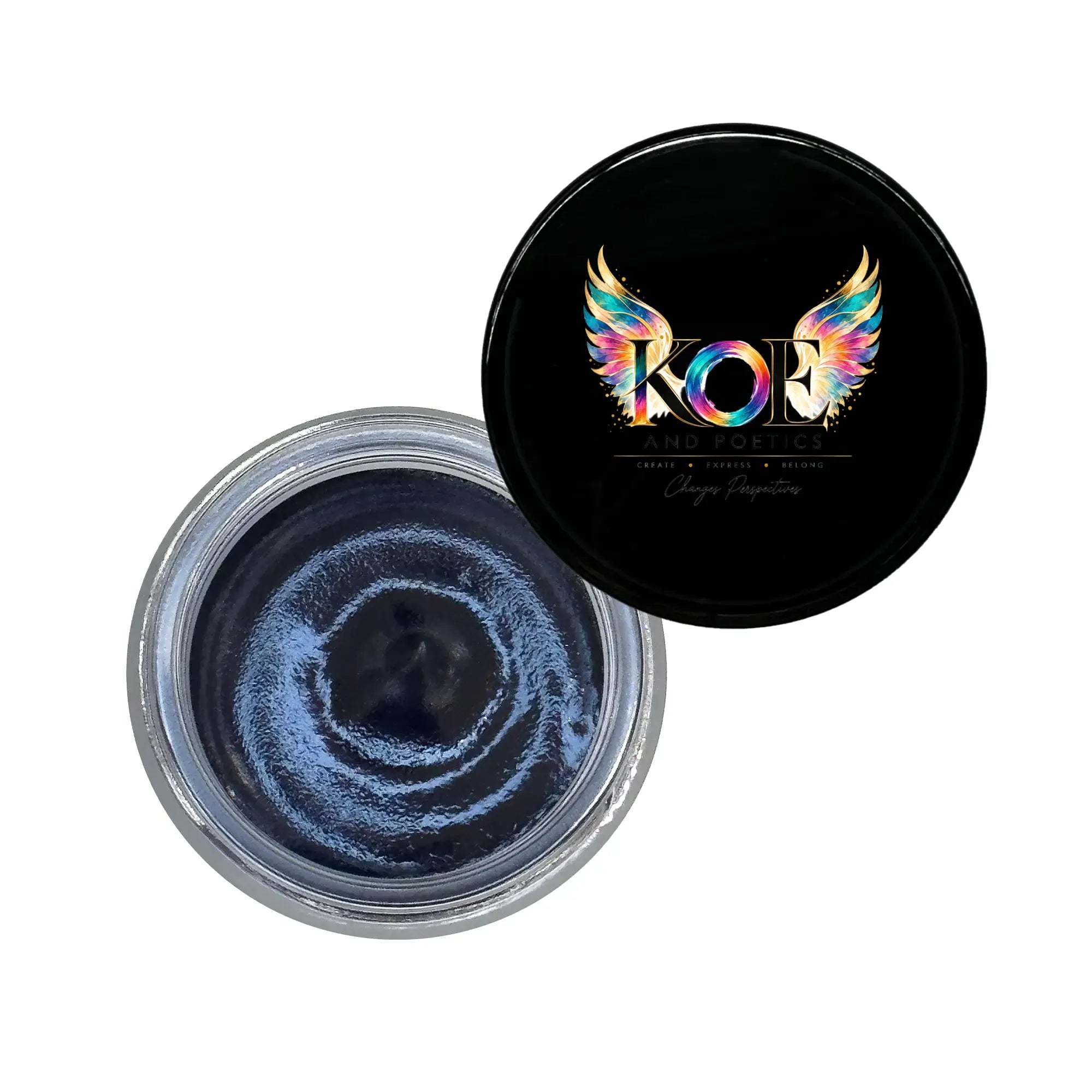
- The Glow Ritual face mask sits at $51.80 and is listed with recyclable packaging.
Table of Contents
- Art-Inspired Skincare vs Mainstream Brands: The Core Differences
- Skincare Ingredients Comparison: Concentration, Quality, and Delivery
- Evidence and Testing: What Art-Inspired Skincare Brands Actually Disclose
- How to Choose Skincare Products When Packaging Is the Hook
- Side-by-Side: Ingredients, Testing, Efficacy, and Price
- Sustainability and the Lifecycle of Collectible Packaging
- Matching the Choice to Your Skin Type and Goals
- Build Your Routine with KOE Art-Inspired Skincare
- Frequently Asked Questions
Art-Inspired Skincare vs Mainstream Brands: The Core Differences
Where Artistic Branding Ends and Product Performance Begins
Brand design sells the first bottle. Product formulation earns the second one. A sculptural jar, an artist collaboration, or a collectible outer carton tells you how a beauty brand sees itself.
The practical split looks like this:
- Branding layer: visual identity, packaging, storytelling, archetype positioning
- Performance layer: active ingredients, dosage, delivery system, testing, clinical results
- Overlap layer: how the product feels and layers, which affects whether you actually use it daily
Many indie beauty brands invest heavily in the first layer and quietly underinvest in the second. Others, including ours, treat the art as the invitation and the formulation as the obligation.
Skincare Ingredients Comparison: Concentration, Quality, and Delivery
Ingredient lists are written in descending order of concentration until the one percent mark, which is the single most useful fact for any skincare ingredients comparison. Everything after that point may appear in trace amounts.
Three things separate a serious formula from a decorative one:
- Concentration: a named active near the top of the list carries more weight than the same active listed after preservatives
- Quality and form: sodium hyaluronate, glycerin, and squalane behave differently at different grades and molecular weights
- Delivery system: lightweight serums absorb fast; heavy bases can sit on the surface and pill under makeup
Fragrance is worth flagging separately. Fragrance-free and dye-free formulas reduce one common trigger for skin sensitivity, which is why our hydrating serum with hyaluronic acid is built without either.
Reading an Ingredient List Without Getting Lost
Start at the top five ingredients. Those are the bulk of what you are buying. Then look for the actives you came for by name. If a brand leads with a botanical story but the botanical appears after the preservative, the story is doing the work, not the ingredient.
Evidence and Testing: What Art-Inspired Skincare Brands Actually Disclose
Most ranking content on this topic stops at "look for dermatologist tested" and moves on.
What real disclosure looks like. A brand that takes testing seriously can usually answer four questions without deflecting: how many subjects were in the study, how long it ran, what was measured (hydration, transepidermal water loss, redness, consumer perception), and whether the formula was tested on sensitive skin. You do not need a peer-reviewed paper to make a decision, but you do need specifics rather than adjectives. A brand that says "clinically proven" without a number is giving you a slogan.
The regulatory backdrop. The U.S. Food and Drug Administration oversees cosmetics labeling and safety but does not pre-approve products or their claims, so disclosure is largely voluntary.
How to read a testing claim in two minutes. First, separate safety testing from efficacy testing: a patch test tells you about irritation risk, not about whether the product improves hydration. Second, look for the measured outcome and the time frame. Third, check whether the claim is about the finished product or a single ingredient; an ingredient study does not automatically transfer to the formula. Fourth, treat before-and-after photos as marketing unless the brand also publishes the protocol.
Watch out: if a brand cannot tell you how many people were tested or what was measured, treat the claim as unverified and decide on the ingredient list and your own patch test instead.
How to Choose Skincare Products When Packaging Is the Hook
Choosing well means separating the hook from the evidence, and a four-question framework does that in about two minutes per product. The framework works on any shelf, in any store, at any price.
A Four-Question Framework for Any New Product
- What is the first active ingredient, and at what position? If your target active sits in the top five, the formula is probably serious about it.
- What does the brand disclose about testing and sensitive skin? Fragrance-free, dye-free, and a stated skin type are concrete signals.
- Does the delivery system match your routine? A lightweight serum layers under moisturizer and SPF; a rich balm may not.
- Would you buy it in plain packaging? If the answer is no, you are paying for the object, which is fine as long as you know it.
Apply the test to something simple first. A straightforward gentle kale face cleanser is easy to score on all four questions, which makes it a good calibration product before you judge a serum or mask.
Side-by-Side: Ingredients, Testing, Efficacy, and Price
A useful comparison has to get past the label and into the decisions that drive repurchase: what is actually in the formula, what the brand will disclose, whether the product does what it claims for your skin, and what you pay per ounce of usable product.
| Criterion | Art-Inspired Skincare | Mainstream Brands |
|---|---|---|
| Ingredient transparency | Highly variable; strong brands publish full INCI lists and active percentages, weak ones hide behind a botanical story | Usually standardized full INCI lists; active percentages often disclosed for hero products |
| Testing disclosure | Often limited to "dermatologist tested" or "clinically tested"; ask for subject count, duration, and measured outcomes | Often broad but generic claims; larger brands may publish consumer-perception study results |
| Packaging | Sculptural, collectible, heavier material use; part of the experience and often the price | Functional, lightweight, optimized for shelf, shipping, and cost |
| Price per ounce | Higher; smaller batches and packaging cost drive the number | Lower; volume pricing and simpler packaging |
| Best for | Buyers who want ritual, identity, and are willing to audit the formula | Buyers who want predictable basics and easy repurchase |
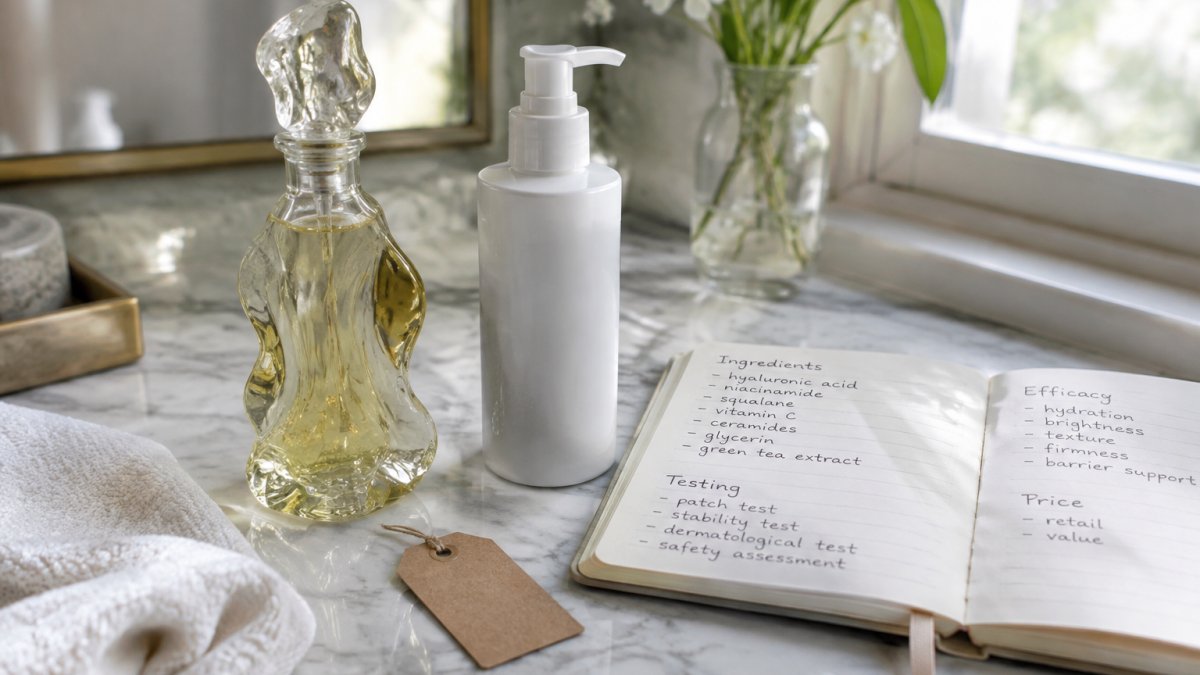
Ingredients. The first five ingredients are the bulk of what you buy. A serious art-inspired formula will still put its named active in that top block, not after the preservative. Compare like with like: a hyaluronic acid serum should list sodium hyaluronate or hyaluronic acid near the top, and a barrier product should show ceramides, squalane, or glycerin early. If the botanical story appears only in the marketing copy and the ingredient list shows it after phenoxyethanol, the story is doing the work.
Testing. "Dermatologist tested" is not a regulated standard in the United States, so it can mean anything from a small patch test to a multi-week study. The U.S. Food and Drug Administration oversees cosmetics labeling and safety but does not pre-approve products or claims, so disclosure is largely voluntary.
Efficacy. Efficacy comes down to the formula, not the aesthetic. A well-made art-inspired product and a well-made mainstream product can both support barrier health and hydration.
Price. Price reflects batch size, packaging cost, and brand positioning as much as ingredients. For a concrete reference point, our Glow Ritual face mask sits at $51.80; weigh that against a mainstream mask of similar size by checking the net weight on the label and doing the same division.
Judge each layer, design and formula, on its own evidence.
Sustainability and the Lifecycle of Collectible Packaging
Sculptural packaging has a real environmental cost, and pretending otherwise undermines the whole category. Heavy glass, magnetic closures, and outer boxes add material and shipping weight. The honest comparison is not "art-inspired bad, mainstream good." It is about what happens after the product is empty. Recyclable packaging, refill options, and single-material containers reduce lifecycle impact regardless of brand type. The Glow Ritual Face Mask is listed with recyclable packaging.
Matching the Choice to Your Skin Type and Goals
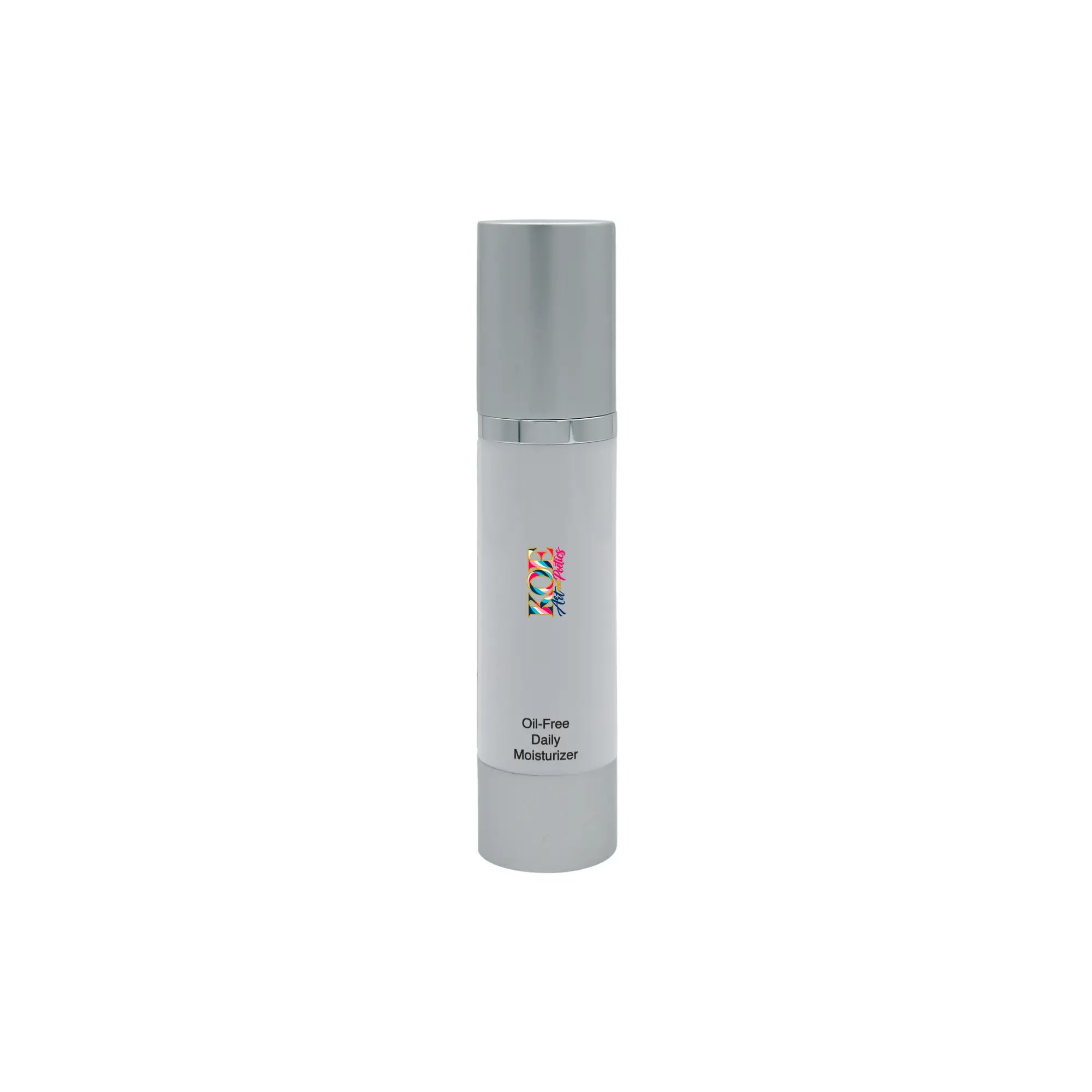
Sensitive skin narrows the field fast. Fragrance-free and dye-free formulas move to the front, and short ingredient lists are easier to audit. The oil-free daily moisturizer is designed for oily and sensitive skin and contains squalane and pro-vitamin B5. Dry skin wants humectants and barrier support layered in order: cleanser, hydrating serum, moisturizer, SPF. Healthy aging is mostly consistency plus sun protection, and acne care is mostly gentle cleansing plus not over-drying the barrier.
Build Your Routine with KOE Art-Inspired Skincare
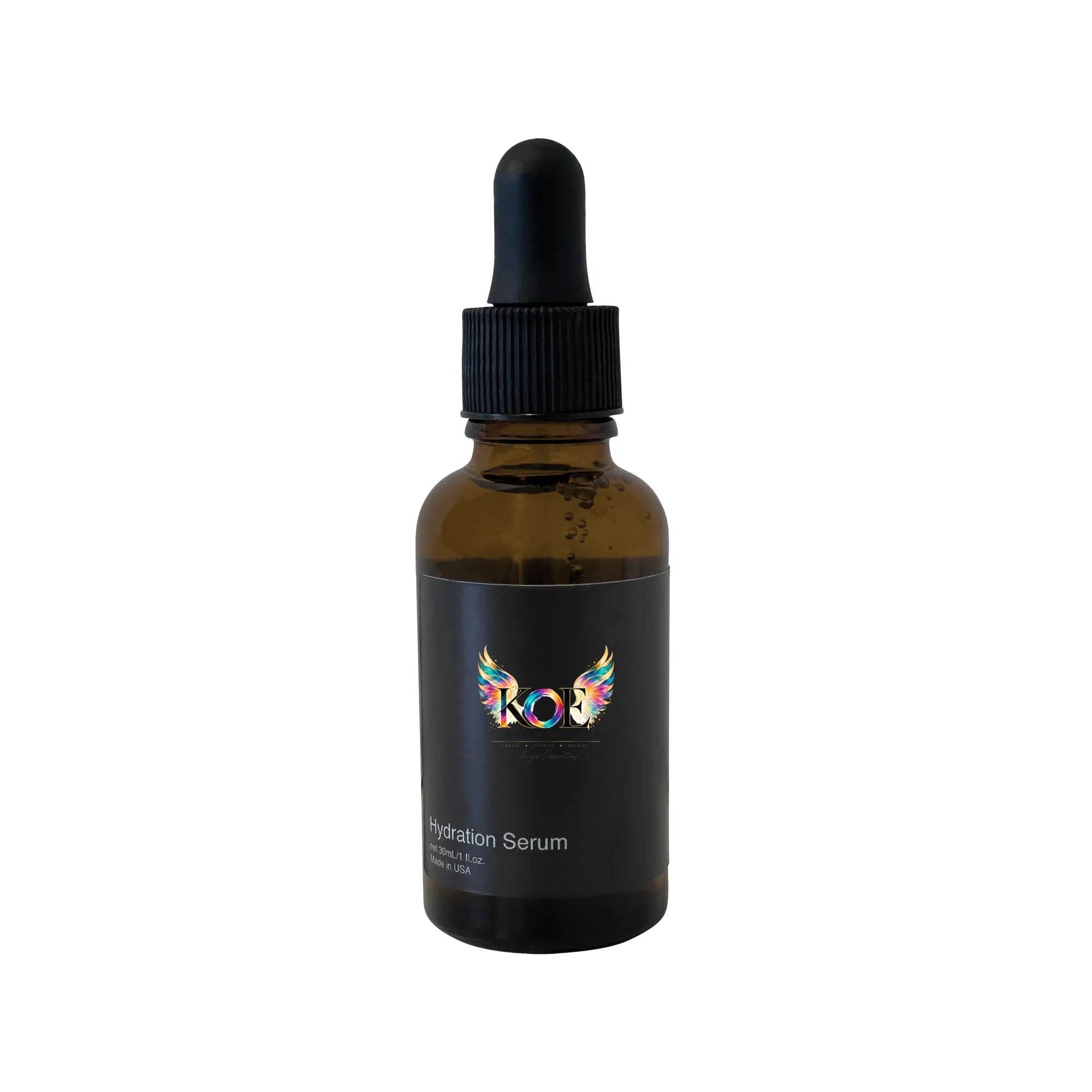
Start with one product and build outward. A fragrance-free hydrating serum is a common first step for sensitive-skin routines, and the Quench Hydration Serum is listed as fragrance-free and suitable for sensitive skin. Add a moisturizer, then a weekly treatment once your skin has settled. Art-inspired skincare works when the formula earns its place in the routine and the design makes you want to show up for it.
The category does not have to be a trade-off between meaning and results, but it will be unless you ask the four questions before you buy. At KOEArtAndPoetics, we build collections around creative archetypes, keep our formulas fragrance-free and dye-free for sensitive skin, and publish full ingredient lists on every product page. Get started with KOEArtAndPoetics and build a routine that reflects who you are while supporting your skin barrier.
Frequently Asked Questions
What makes a skincare brand art-inspired?
Art-inspired skincare brands treat packaging, naming, and collection themes as part of the product experience, often grouping items by creative archetypes rather than skin concern alone. The art is the entry point, not the proof. Judge the brand the same way you would any other: read the full ingredient list, check whether the formula is fragrance-free and dye-free, and confirm the product suits your skin type. KOE Art and Poetics, for example, builds collections around archetypes like The Muse and The Poet while formulating its serums and moisturizers for sensitive skin.
Does artistic packaging mean a skincare product works better?
No. Packaging affects shelf presence and the ritual feel of a routine, but it has no bearing on how an active ingredient performs on skin. A sculptural bottle and a plain tube can hold the same glycerin and hyaluronic acid formula. Separate the two questions: does the design make you want to use it daily, and does the ingredient list support your skin barrier? A product can score well on both, but only the second one changes your skin. Use the packaging as a reason to enjoy the routine, not as evidence of efficacy.
How do I compare skincare ingredients across art-inspired and mainstream brands?
Start with the first five ingredients, which appear in descending order of concentration. Look for humectants like glycerin and sodium hyaluronate, barrier-supporting fatty acids and squalane, and antioxidants from botanical extracts. Then check what is absent: fragrance, dye, and drying alcohols matter if your skin is sensitive. KOE Quench Hydration Serum, for instance, lists aqua, Cassia Obtusifolia Seed Extract, glycerin, pentylene glycol, and xanthan gum, a short list with no fragrance or dye. Compare that transparency level across brands rather than comparing marketing claims.
Is art-inspired skincare worth the price compared with mainstream brands?
It depends on what you are paying for. KOE products sit in the $34 to $51.80 range: Dewdrop Hyaluronic Serum at $34.00, Quench Hydration Serum at $38.70, Kale Face Cleanser at $43.90, Oil-Free Daily Moisturizer at $46.40, and Glow Ritual Face Mask at $51.80. That is comparable to many mid-range mainstream lines. Decide whether the formula earns the price by checking ingredient quality, whether the product is fragrance-free and dye-free, and whether it fits your skin type. If the design also makes you consistent with your routine, that consistency has value.
Can I combine art-inspired and mainstream products in one routine?
Yes, and most routines already do. Layer by texture and function rather than by brand: cleanser first, then a hydrating serum, then moisturizer, then SPF in the morning. A fragrance-free serum from an art-inspired line works fine under a mainstream moisturizer, and the reverse is also true. Watch for overlapping actives so you do not double up on the same ingredient, and introduce one new product at a time if your skin is sensitive. The goal is a routine that supports your skin barrier, not a shelf that matches.
KOE Art-Inspired Skincare Product Prices
