

How Theme-Based Skincare Adds Real Benefits to Your Routine
Quick Summary
Theme based skincare is a routine built around a central idea, mood or identity, with every product chosen to match that story. It still covers the same functional steps as a generic routine: cleanser, serum, moisturizer and sunscreen. The added theme mainly changes how products are chosen and how the routine feels to use.
- A themed routine asks the same functional questions as a generic one, plus whether each product fits the chosen story.
- Packaging affects use: visibility, low friction and a consistent look make products more likely to be used.
- Price the steps you will actually use over three months, not the full collection.
- Introduce one new product at a time and patch test before applying it across your face.
- Judge each product on its ingredients and how your skin responds over several weeks, not on design alone.
Table of Contents
- What Theme-Based Skincare Means and How It Differs From a Generic Routine
- The Psychology of Skincare Packaging and Why Design Changes How You Use Products
- Benefits of a Consistent Skincare Ritual for Skin and Self-Care
- Aesthetic Skincare Routine Benefits: Where Style Supports Skin Results
- Cost-Benefit Analysis: Themed Routines Versus Generic Routines
- Safety Considerations When Mixing Themed Product Lines
- Building Your Own Themed Routine With KOE: Choosing Your Next Step
- Frequently Asked Questions
What Theme-Based Skincare Means and How It Differs From a Generic Routine
Last Updated: November 17, 2026
Theme-based skincare is a routine built around a central idea, mood or identity, with every product chosen to match that story, which is why it is often called theme based skincare by those who organize their shelves this way. A generic routine picks steps by function alone: cleanser, serum, moisturizer, sunscreen.
That added layer is what makes theme-based skincare worth understanding. At KOEArtAndPoetics, the collections are organized around creative archetypes such as The Muse, The Poet, The Dreamer and The Artist. Each archetype groups essentials that suit a particular way of thinking about self-care.
The difference shows up in how you choose and use products. A generic routine starts from a shopping list; a themed routine starts from an identity and fills in the steps.
Theme-based skincare does not change the basic science. A hydrating serum still needs to be a hydrating serum, whatever its name. What the theme changes is the decision process and the experience of using the products.
The practical test is simple. Ask whether a theme helps you buy fewer, better products and use them consistently. If it does, the framework is working. If it only adds packaging you do not use, a generic routine built on function may serve you better.
The Psychology of Skincare Packaging and Why Design Changes How You Use Products
!Close-up of hands in soft natural light arranging minimalist skincare bottles on a linen-covered vanity beside a sketchbook and a small ceramic dish
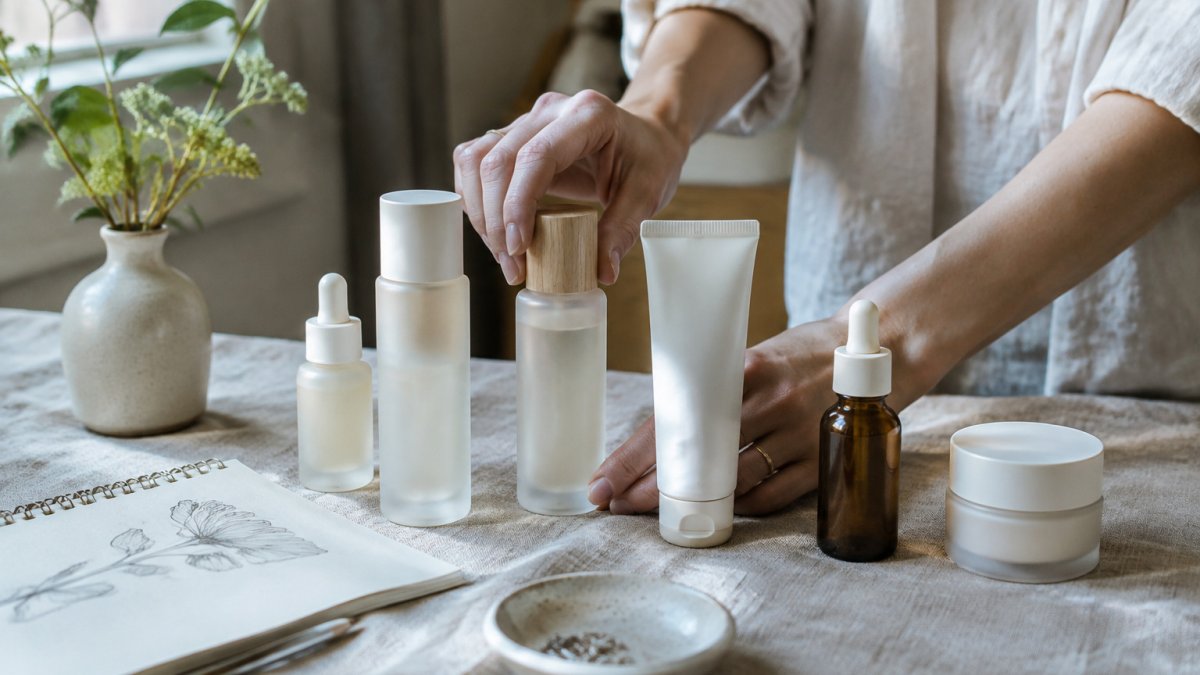
Packaging can shape behavior before a single drop touches your skin, mainly through visibility, friction, and cueing.
Visibility drives frequency. A bottle you find beautiful is more likely to sit on your counter than in a drawer, and a product in view is more likely to be used because using it requires no search. Behavioral scientists call this a cue, an environmental trigger that starts a habit without conscious deliberation (ncbi.nlm.nih.gov).
Friction suppresses use. Every extra step between wanting to use a product and using it, a stuck pump, a lid that needs two hands, a bottle buried behind three others, raises the odds the product stays closed. Design that reduces friction (a pump that doses cleanly, a tube that stands upright, a cap that opens one-handed) increases the chance the product becomes part of the routine rather than an ornament.
A consistent visual language reduces decision fatigue. A themed collection that looks like it belongs together makes it easier to recognize which products pair and in what order.
The ritual angle: why this matters beyond skin. A themed routine can also function as a small daily ritual, with the packaging serving as a physical anchor for that ritual.
What packaging cannot do. Ingredients, concentrations, and formulation decide what a product can do. Read the ingredient list and directions first, and treat design as the reason you use a product consistently, not as proof that it works.
A practical test before you buy. Ask three questions: Will I see this product every day? Does it open and dose without friction? Does it fit the order of my existing routine? If the answer to all three is yes, the design is doing real work.
Watch out: a themed collection can encourage buying steps you do not need simply because they match the set. Buy the steps your skin actually uses, and let the theme organize them rather than expand them.
Benefits of a Consistent Skincare Ritual for Skin and Self-Care
Consistency is an important factor in most skincare routines, and a ritual can make regular use easier to keep.
A ritual adds structure. Morning and evening steps done in the same order, at roughly the same time, become a habit rather than a decision. For many people, that habit is the real benefit: they apply sunscreen daily and cleanse before bed because the routine is already part of the day.
For self-care, the ritual also offers a few minutes of deliberate attention. Applying a serum slowly, massaging it in and paying attention to how the skin feels can be a small pause in a busy day. Theme-based routines can deepen this, because the chosen story gives the ritual meaning.
A practical way to build a ritual:
- Pick one morning and one evening routine, each with no more than four steps.
- Use the same products in the same order for at least four weeks before changing anything.
- Keep the products where you will see them, so the habit starts with a visual cue.
Consult a dermatologist for persistent concerns such as severe acne, rashes or changes in a mole (the American Academy of Dermatology).
Aesthetic Skincare Routine Benefits: Where Style Supports Skin Results
Style and skin results are often treated as opposites, but they can work together. An aesthetic routine supports results mainly by making the routine easier to follow, not by changing what the products do.
If you enjoy the products you use, you are more likely to use them daily, which matters for hydration, sun protection and any active ingredient that needs regular use.
Choosing style alongside results means checking the formulation first. For a hydration serum, look for humectants such as glycerin or hyaluronic acid. For a moisturizer meant to support the skin barrier, look for fatty acids, squalane or ceramides. For brightening or firming, look for named actives and realistic timelines.
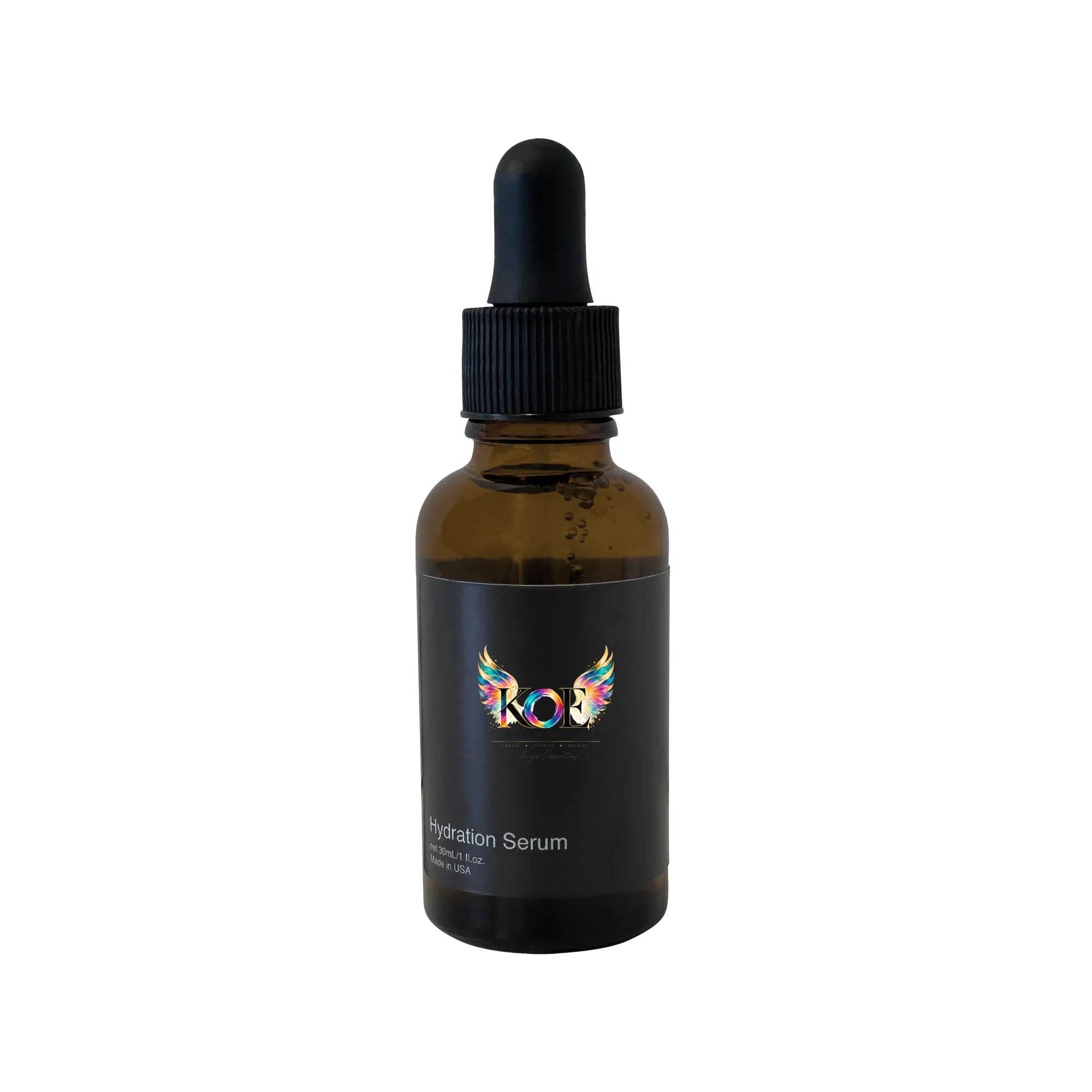
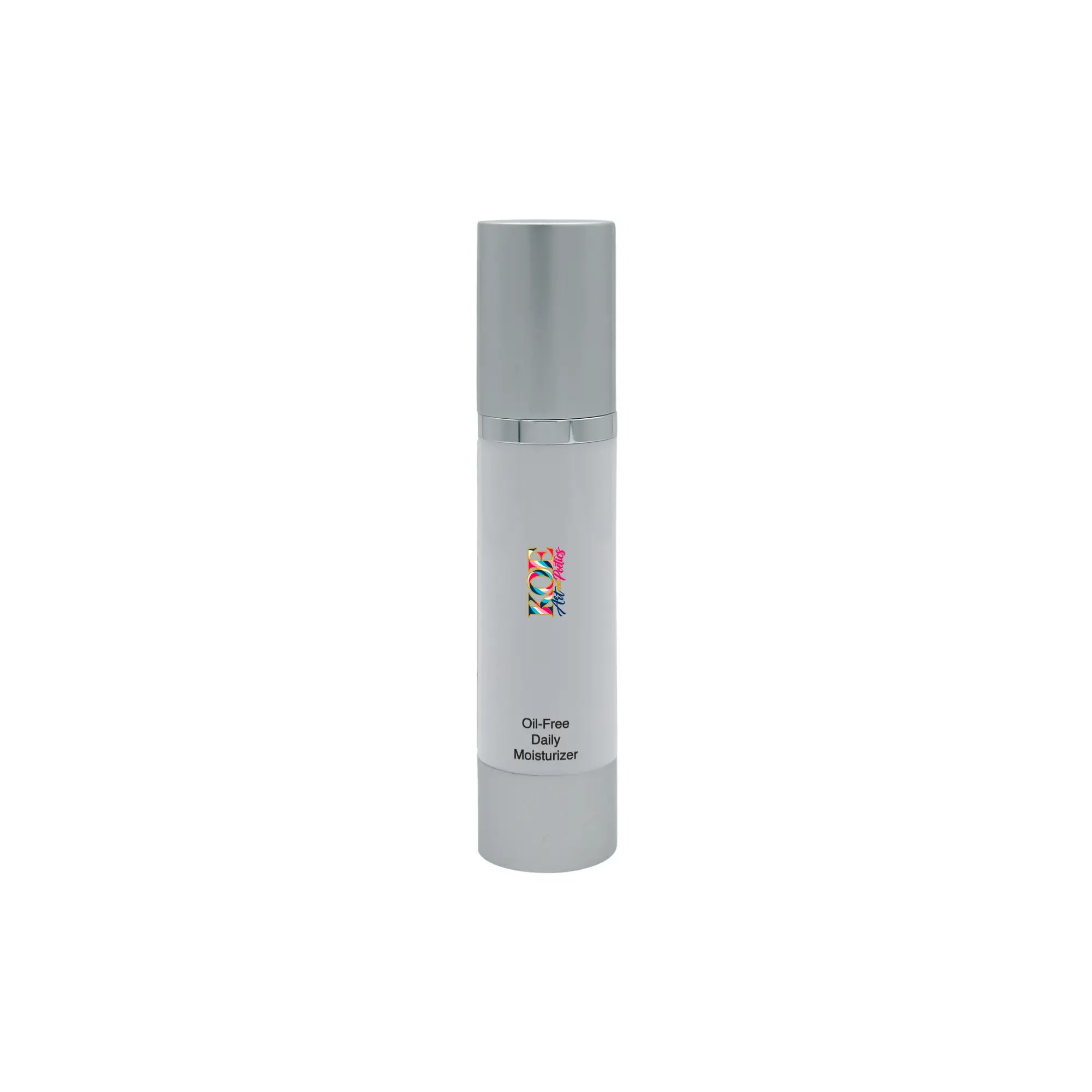
Several KOE products show how this can work in practice. The KOE Quench Hydration Serum is built around glycerin and botanical extracts for moisture, at $38.70. The KOE Oil-Free Daily Moisturizer, at $46.40, is a lightweight option for those who want hydration without shine.
Be careful about marketing claims. A product that is beautifully designed is not automatically more effective than one with a plainer design. Judge each product on its ingredients and on how your skin responds over several weeks.
Cost-Benefit Analysis: Themed Routines Versus Generic Routines
Cost is the first question many shoppers ask, and the honest answer is that a themed routine is neither automatically more expensive nor automatically a better value.
Start with the functional baseline. Every routine, themed or generic, has to cover the same jobs: cleansing, hydration, targeted treatment, and sun protection. Price those four jobs first, using products you already trust. That total is your baseline.
The three-month cost model. Total the cost of every step you would use over three months, not the cost of the collection. A simple formula:
- Monthly cost = (price of each product ÷ expected months of use) summed across the steps you use.
- Three-month cost = monthly cost × 3.
- Cost per use = price ÷ estimated number of applications.
This matters because a $38.70 serum used twice daily for three months costs far less per use than a $34.00 serum you stop using after two weeks. The product you abandon is the expensive one, regardless of its sticker price.
Where themed routines tend to win on value. Themed routines are built around a coherent set, which can mean fewer products and a clearer order of use.
Where generic routines tend to win on value. A generic routine lets you buy only what your skin needs, and it lets you swap in a cheaper product for any step without breaking a set.
A side-by-side framework.
| Factor | Generic routine | Themed routine |
|---|---|---|
| Products bought | Chosen by function | Chosen by function and theme |
| Likely cost | Varies widely; can be lowest | Can be higher if you buy a full collection |
| Cost per use | Depends on how long you keep using each product | Often lower when the set improves consistency |
| Consistency | Depends on the person | Often higher when the theme motivates use |
| Flexibility | High; swap any step | Lower; set cohesion is the point |
| Best for | Shoppers who want minimal choices and lowest spend | Shoppers who value identity, ritual, and a guided order |
The break-even question. A themed routine is worth its premium when the consistency gain outweighs the price difference. If the themed set costs 20% more but you use it 40% more consistently, the effective cost per use is lower.
A note on KOE pricing. Prices for KOE products are listed in the catalog. The KOE Quench Hydration Serum is $38.70, the KOE Dewdrop Hyaluronic Serum is $34.00, the KOE Oil-Free Daily Moisturizer is $46.40, and the KOE Embrace Collagen Moisturizer is $64.30, inputs to the three-month model above, not a reason to buy the whole set.
Watch out: a full collection can look like a bargain per bottle while costing more than a routine you would have built yourself. Price the steps you need, not the set.
Three-month cost of core KOE products
Safety Considerations When Mixing Themed Product Lines
Mixing products from different lines is common, and it can work well. It also carries risks that are worth understanding before you combine them.
The main concern is overlapping active ingredients. The KOE Firm & Glow Collagen Serum contains retinol, while the KOE Mint Exfoliating Facial Polish is a physical exfoliant, so using both in the same routine calls for care. Introduce one at a time and watch how your skin responds.
The KOE Oil-Free Daily Moisturizer and the KOE Kale Face Cleanser are both listed as suitable for sensitive skin, but any product can still cause a reaction. Patch test a new product on a small area of skin for a few days before using it across your face (the American Academy of Dermatology).
A few practical rules help:
- Introduce one new product at a time, and wait at least a week before adding another.
- Avoid stacking multiple strong actives in the same routine.
- Stop using a product and consult a dermatologist if you notice persistent redness, burning, swelling or rash.
- Follow the directions on each product, including where and how often to apply it.
Pregnancy, medical treatments and existing skin conditions are reasons to check with a healthcare professional before starting a new routine.
Building Your Own Themed Routine With KOE: Choosing Your Next Step
Starting a themed routine works best when you begin small. Choose one archetype or mood that feels like you, then select one or two products that support your main skin need. Hydration, comfort and daily protection are a good place to start.
Here is a simple way to build the routine:
- Name your theme in one sentence, such as "calm, creative mornings" or "a bold evening ritual."
- Identify your main skin need: dryness, sensitivity, early signs of aging or uneven tone.
- Pick one core product for that need, such as the KOE Dewdrop Hyaluronic Serum at $34.00 for hydration.
- Add one supporting product once the first feels comfortable, such as the KOE Embrace Collagen Moisturizer at $64.30 for richer nightly care.
- Review your routine after four to six weeks and adjust only what is not working.
Explore the full range to see how each collection fits your routine. Browse the KOE collections and build a routine that reflects your own story.
Frequently Asked Questions
What is theme-based skincare?
Theme-based skincare is a routine built around a shared concept, aesthetic or identity rather than a list of products chosen one at a time for a single concern. In KOE's case, products are grouped into creative archetypes such as The Muse, The Poet, The Dreamer and The Artist, so each collection reflects a consistent mood. The theme organizes your choices, but it does not replace the ingredient decisions that determine how the skin responds. Look at each product's listed ingredients and its intended use to judge whether a themed set fits your skin type.
Does packaging design influence the skincare experience?
Packaging can change how often and how carefully people use a product. A bottle that looks deliberate and pleasant on a shelf may be kept in view, which can make regular use easier. Packaging does not change what is inside, so it should be treated as a reason to stick with a routine rather than a measure of effectiveness. Judge each formula by its ingredient list, such as glycerin or hyaluronic acid in the Dewdrop Hyaluronic Serum, not by how it looks.
How can theme-based products improve my daily self-care routine?
A cohesive set removes small daily decisions, which makes a routine easier to keep. Choosing a single collection, such as the Quench Hydration Serum followed by the Oil-Free Daily Moisturizer, means you apply products in a sequence you already know. A routine you actually repeat is easier to keep up than a more complicated one. Start with two or three products and add others only after you have used them for several weeks.
Who should check ingredients before buying a themed skincare set?
People with sensitive skin should compare the ingredient lists of every product in a set before combining them. KOE's listed products are described as fragrance-free and dye-free and made for sensitive skin, but the Firm and Glow Collagen Serum contains retinol, and the Glow Ritual Face Mask contains binchotan charcoal and sodium bicarbonate, which are different in strength and purpose. Introduce one new product at a time and watch for redness or stinging before adding the next.
